

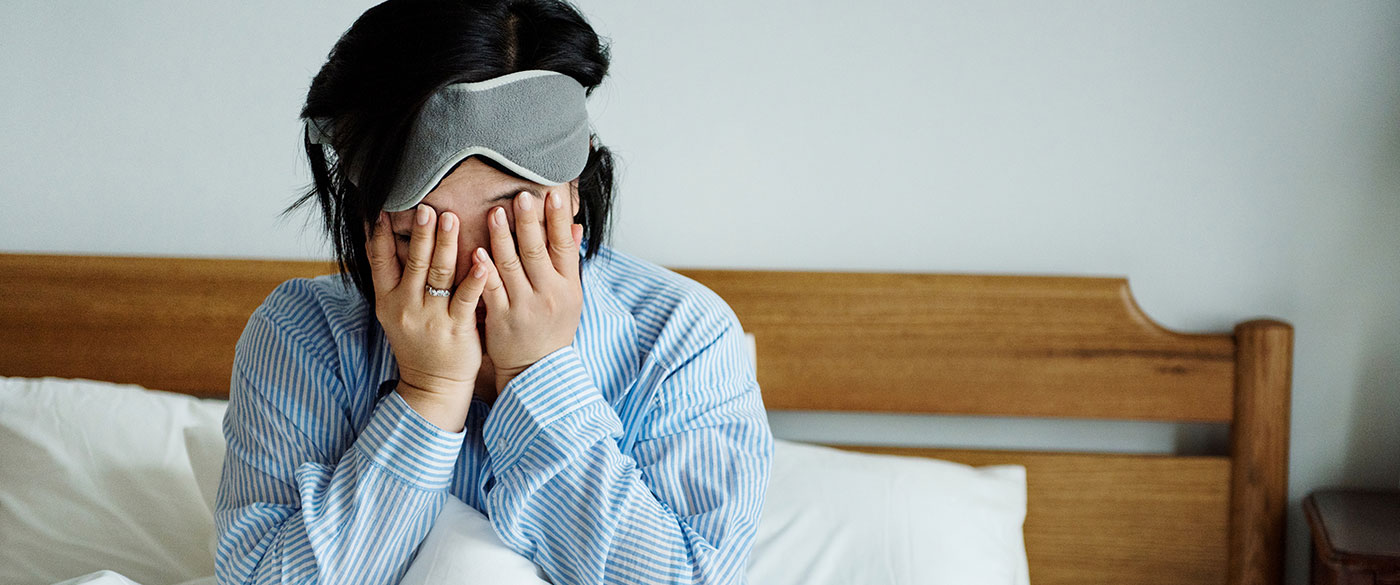
Sleep deprivation occurs when an individual gets less sleep than they need, to feel awake and alert.
Causes of Sleep Deprivation
- Not getting enough sleep because of shift work, demanding jobs, etc.
- Pursuing other activities such as entertainment, studies or even due to money-making pursuits.
- Consistent practice of going to bed late or waking up early.
- Medical problems such as depression, hormone imbalances, insomnia, sleep apnoea, narcolepsy, restless legs syndrome, schizophrenia, cancer, or other chronic illnesses.
- Ageing - Older people have trouble sleeping because of their age, medical problems, or medication.
- Other factors include stress, a change in schedule, or a newborn baby disrupting one’s sleep schedule.
Effects of Sleep Deprivation
Sleep deprivation can negatively affect many systems of the body. It can heavily influence the outlook on life, energy level, motivation, and emotions. Lack of sleep can:
- Prevent the body from strengthening the immune system and producing more cytokines to fight infection.
- Result in an increased risk of respiratory diseases.
- Affect body weight.
- Hormonal imbalance of leptin and ghrelin. These two hormones are responsible for controlling feelings of hunger and satiety, or fullness.
- Release of insulin, leading to increased fat storage and a higher risk of type 2 diabetes.
- Increase the risk of cardiovascular disease. Sleep helps the heart vessels to heal and rebuild as well as affecting processes that maintain blood pressure and sugar levels as well as inflammation control.
- Affect hormone production, including growth hormones and testosterone in men.
- Alter brain activity and neurochemicals that affect a person’s mood and thinking.
- Impact emotional function and normal thinking abilities in healthy individuals, leading to bad moods, less willingness in solving problems, intolerance, negative thoughts, less empathy to others, less enthusiastic, more irritable etc.
- Increase the feeling of failure, low self-esteem, lack of energy, poor job performance, conflicts with co-workers, poor concentration, poor quality of life.
- Prone to falling into clinical depression, anxiety, paranoia, as well as other psychiatric conditions.
- Reduce sex drive.
- All these alterations to mood do not only affect an individual’s mental health but also their relationships and family dynamics as well.
Managing Sleep Deprivation
- Treatment is only required when a person cannot get to sleep, due to either physical or psychological difficulties.
- Following a strict Dinacharya can help in making a routine in life for all activities from waking up in the morning to sleeping at night.
- Going to bed when tired.
- Avoiding meals 2-3 hours before bedtime.
- Engaging in regular exercise.
- Keeping the bedroom quiet, dark, and at a comfortably cool temperature.
- Turning off electronic devices like mobiles and laptops when you go to bed.
- Behavioural and cognitive treatments.
- Relaxation techniques.
- Medications - When non-medicinal treatment is not effective, drugs are available that can help induce sleep. However, these should be taken under the strict guidance of a doctor.
At Naad Wellness, we help in developing a proper Dinacharya i.e., a proper daily routine which can help you in overcoming the sleep issues. This is achieved through different therapies, relaxation techniques, yoga, and meditation along with a healthy diet.